

Office Brief Template: ABW Zones, Budget, Programme Free Checklist
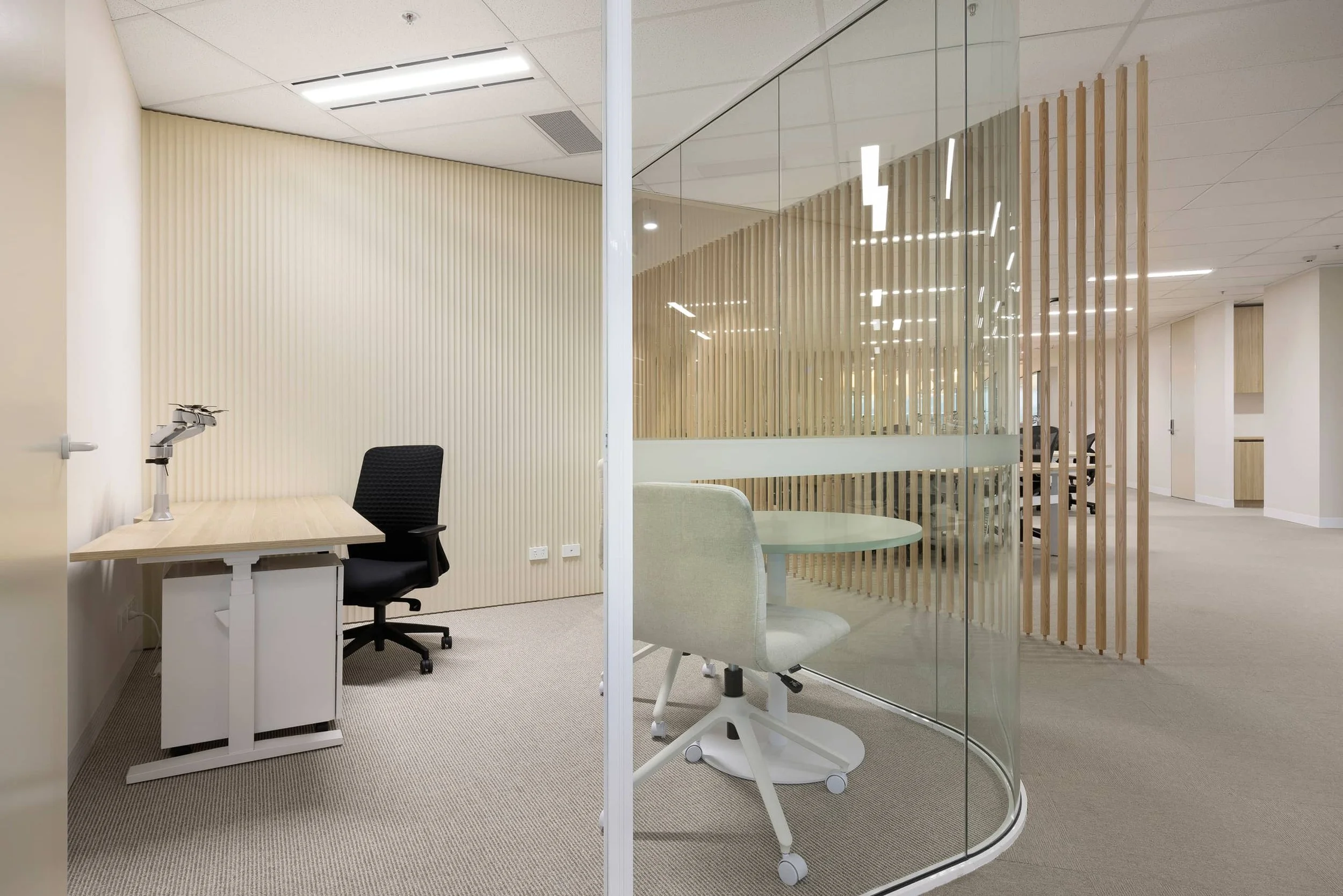
An office brief template is often the missing step between a business decision and a successful workplace outcome. For activity-based working office design, the brief defines how space will be used, how teams interact, and how the project will be delivered.
Without a structured brief, projects rely on assumptions. This leads to misalignment between design, cost, and programme. A clear office fitout checklist ensures that key decisions are made early, reducing risk during approvals and construction.
For reference on how workplace projects are structured, see office interior design in Sydney.
Problem
The most common issue with office projects is the lack of a defined brief. Teams move directly into design discussions without clarifying requirements for space, budget, or timeline.
In Australia, this often results in delays during approvals or revisions during construction. Regulatory frameworks from NSW Planning and NSW Government require clear documentation, while workplace safety must align with Safe Work Australia.
Without a structured starting point, these requirements are addressed too late in the process.
What Buyers Get Wrong
A common mistake is treating the brief as a simple list rather than a working document. Many briefs focus only on headcount or area, without addressing how teams use the space.
Another issue is underestimating the importance of the programme. Timing affects leasing, approvals, and construction sequencing. Without clarity, projects often extend beyond initial expectations.
Buyers also tend to overlook how activity-based working office design requires different zones for focus, collaboration, and informal interaction. Without defining these zones early, layouts become inefficient.
Steps
The first step in creating an office brief template is defining the workplace strategy. This includes understanding how teams work, what activities take place, and how often the space is used.
The next step is identifying spatial requirements. This involves allocating areas for different functions, including workstations, meeting rooms, breakout spaces, and support areas.
Budget and programme are then established. These must align with the scope of work and approval timelines. Early clarity ensures that the project remains feasible.
The final step is documenting the brief in a structured format. This document becomes the reference point for design, approvals, and construction.
Further insights can be found in the design journal and examples of completed projects in the project portfolio.
Costs and Timelines
Costs for office fitouts vary depending on scope, level of finish, and integration of services. Activity-based working environments may require additional investment in shared spaces and technology.
Timelines are influenced by approvals, procurement, and construction sequencing. In Australia, projects must account for compliance and safety requirements, which can extend programme duration.
Establishing a budget and timeline early allows for better coordination and reduces the likelihood of changes during delivery.
Checklist
A practical office fitout checklist includes:
Defined workplace strategy and activity-based working zones
Clear allocation of space for each function
Budget aligned with the scope and level of finish
Programme aligned with approvals and construction
Compliance with planning and workplace safety requirements
This checklist ensures that the project is grounded in realistic parameters before design begins.
FAQs
What is an office brief template?
An office brief template is a structured document that outlines project requirements, including space, budget, and timeline.
Why is activity-based working important?
Activity-based working allows teams to use different areas depending on the task, improving efficiency and flexibility.
When should the brief be created?
The brief should be developed before engaging in design to ensure alignment across all stages of the project.
What affects office fitout costs?
Costs are influenced by size, materials, level of detailing, and integration of services.
How does the brief impact timelines?
A clear brief reduces delays by ensuring that design, approvals, and construction are aligned from the start.
Define Your Office Project Before Design Begins
A structured office brief ensures that workplace strategy, budget, and programme are aligned before design begins. This reduces uncertainty and supports a more efficient project outcome.
To discuss your project requirements, contact us or explore more insights in the design journal.