Interior Designer Manly: Coastal Homes & Renovations
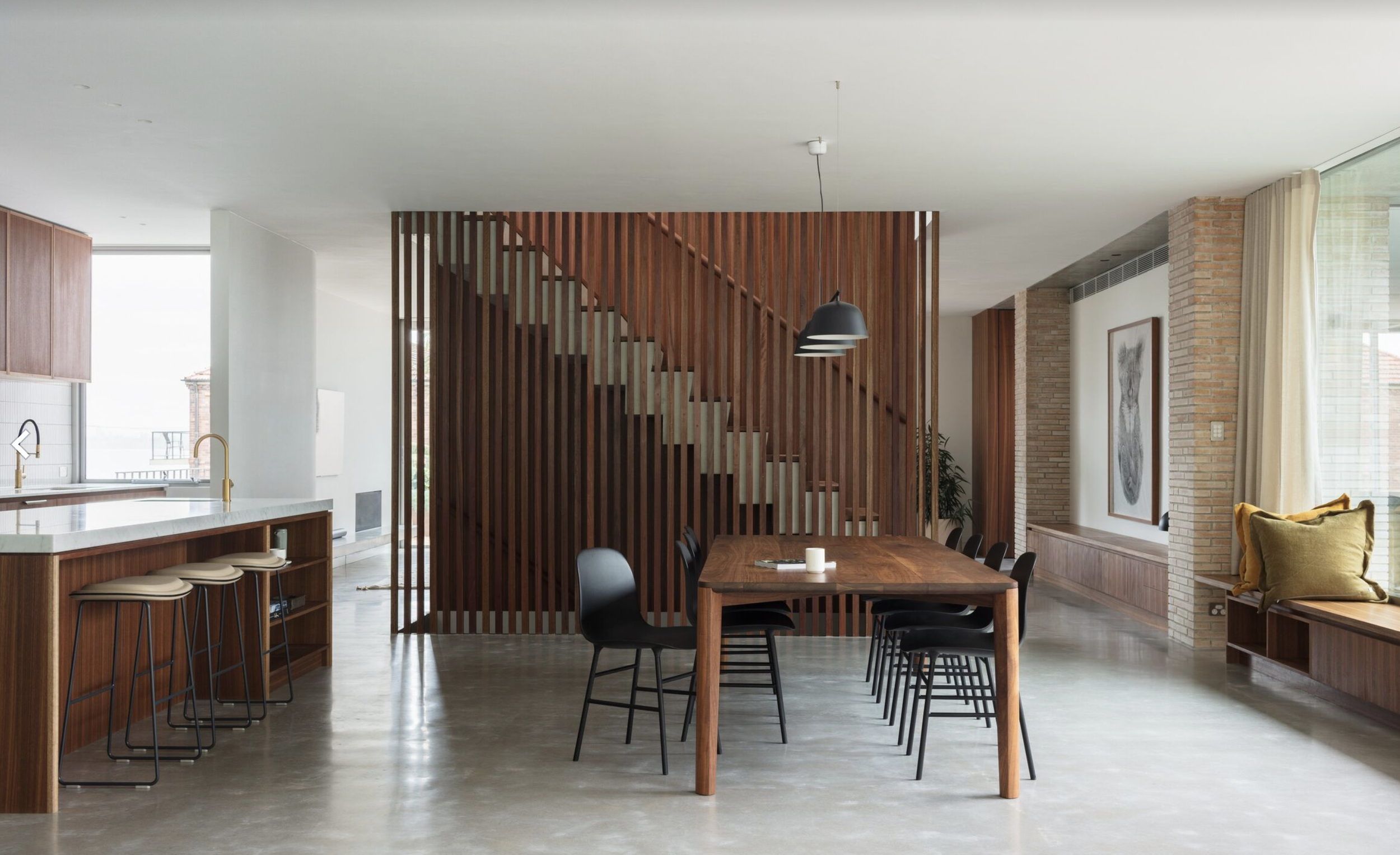
Manly homes require a design approach shaped by coastal exposure, changing light conditions, and outdoor-oriented living. Residential interior design in Manly is influenced by how spaces perform throughout the day, not just how they appear at completion.
As an interior designer in Manly, projects are developed to improve spatial flow, connection between zones, and long-term usability. This includes resolving layout inefficiencies, refining material selections, and aligning interiors with the broader architectural framework.
For projects that extend beyond interiors, refer to residential architecture in Sydney.
Homes We Design Here
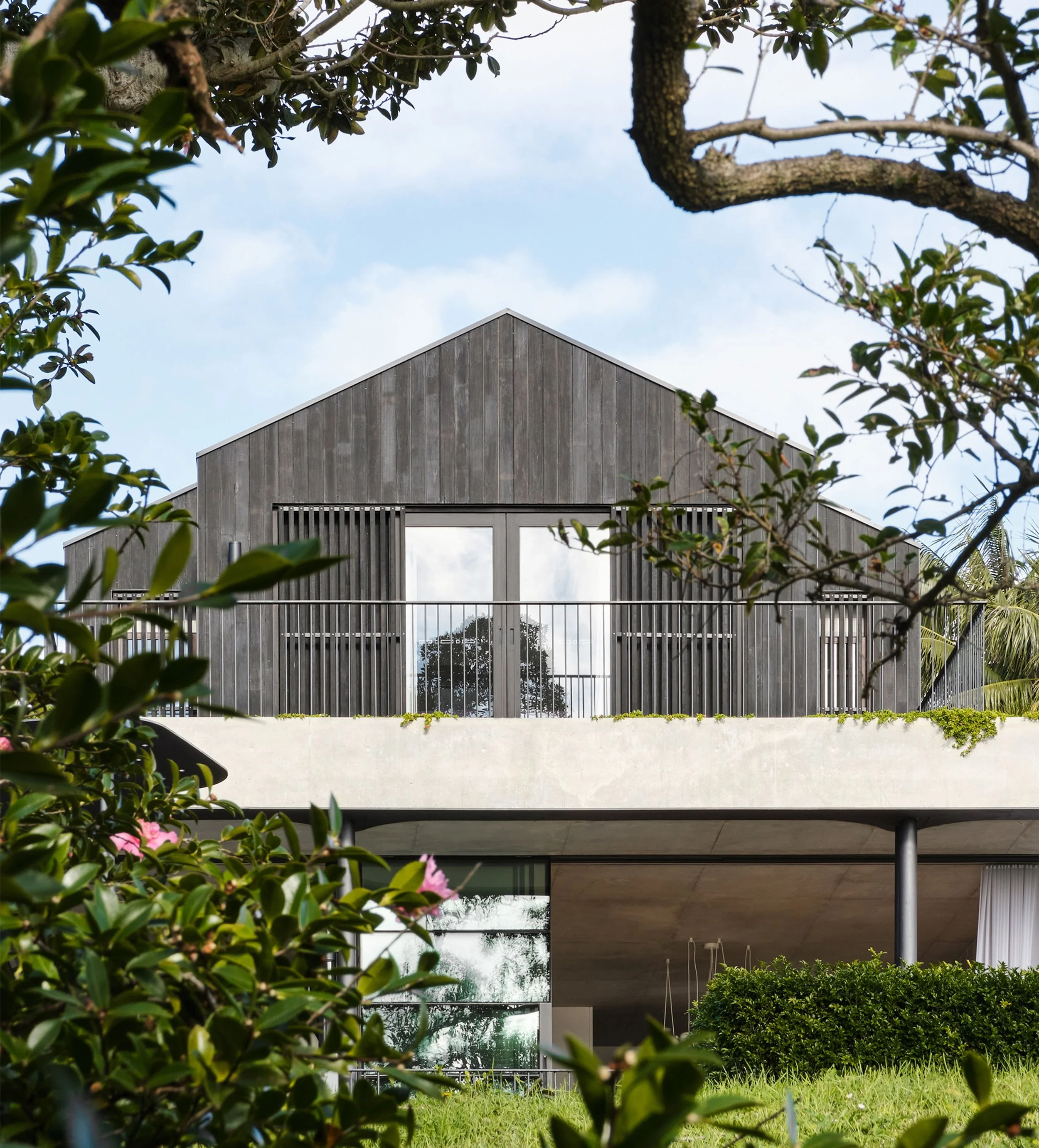
Work in Manly spans full-scale residential builds, reconfiguration of existing homes, and targeted upgrades to improve specific areas such as living zones or kitchens.
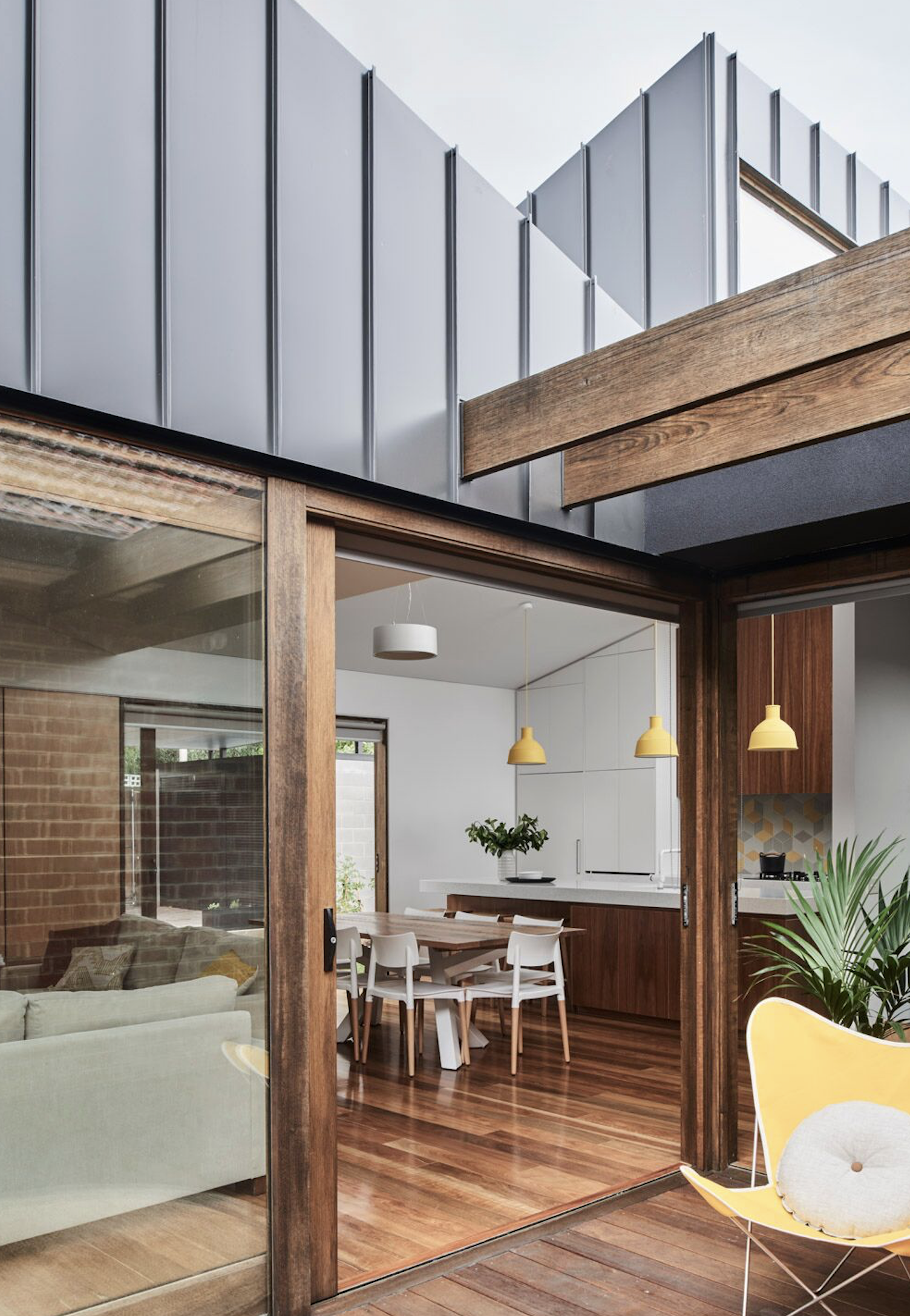
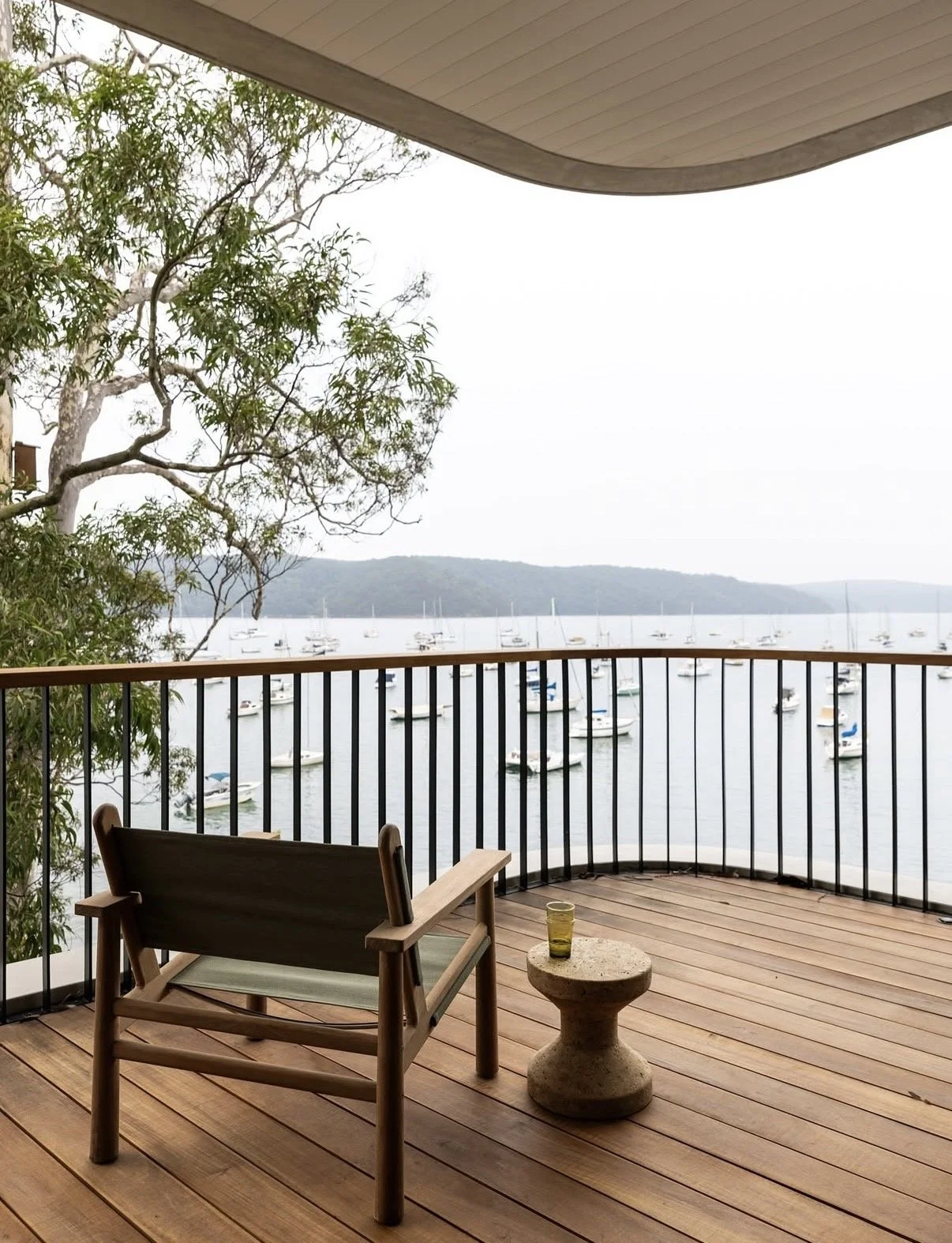
Unlike more formal residential suburbs, Manly homes often prioritise flexibility. Spaces are designed to transition easily between indoor and outdoor use, supporting both daily living and seasonal variation.
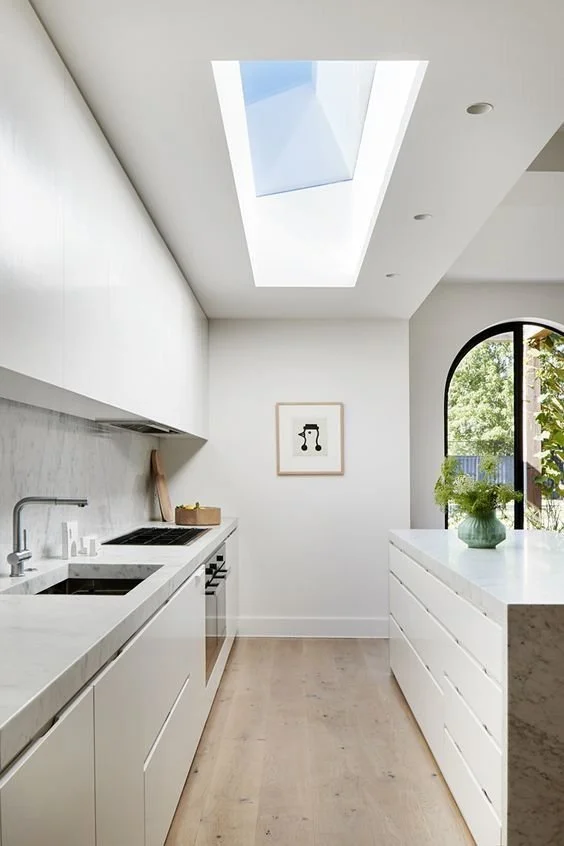
Residential interior design in Manly also involves adapting older structures to meet current expectations. This includes improving circulation, increasing natural light, and reworking layouts that no longer suit modern use.
Completed examples can be reviewed in the portfolio of residential projects.
Style and Material Palette
Material selection in Manly projects is driven by performance as much as appearance. Coastal conditions require finishes that can handle moisture, salt exposure, and temperature variation without degrading over time.
Rather than relying on decorative features, the design approach focuses on restraint. Consistent palettes, controlled detailing, and alignment between surfaces create a cohesive result.
Residential interior design in Manly often uses layered material, such as timber, stone, and mineral finishes, to introduce variation without visual noise. This ensures that spaces remain functional while maintaining clarity.
Approvals & Delivery
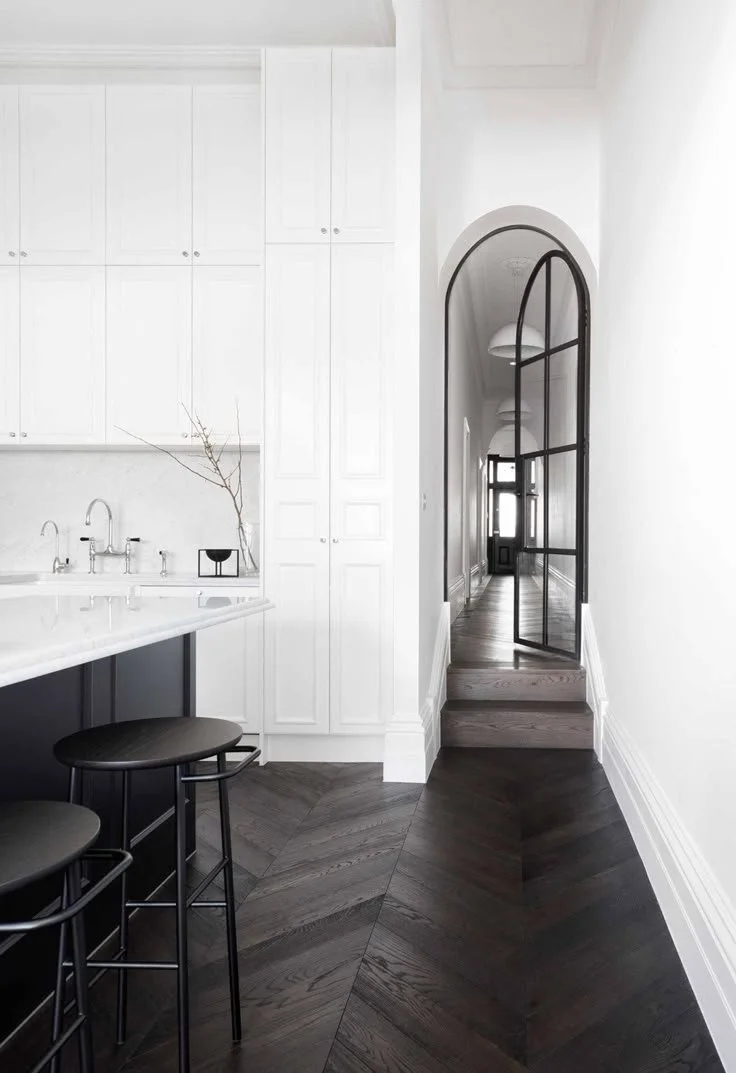
Manly projects often involve planning considerations that affect both design and timing. Renovations and structural changes may require formal approvals depending on the scope and compliance with planning controls.
This stage includes documentation, consultant coordination, and alignment with approval pathways. Early assessment ensures that design decisions are realistic and achievable within regulatory constraints.
Delivery extends beyond drawings, ensuring that design intent is accurately carried through construction. For a broader understanding of how this integrates into project stages, refer to all design and architectural services.
Typical Budgets
Project costs in Manly are influenced by property type, level of intervention, and material selection.
Larger renovations and new builds require coordination across multiple disciplines, increasing both scope and investment. Smaller projects may focus on improving key areas without full structural changes.
Residential interior design in Manly often involves balancing investment between visible finishes and underlying infrastructure. Early clarity on the budget allows for more precise decision-making throughout the design process.
FAQs
-
This includes spatial planning, material selection, layout refinement, and coordination with consultants to ensure consistency from concept through to construction.
-
Coastal environments require materials and detailing that can withstand moisture, salt, and environmental exposure. This influences both finish selection and long-term maintenance.
-
Not all projects require formal approval. Requirements depend on the scale of work and whether the design complies with planning controls.
-
Planning should begin before committing to construction or contractors. Early design input reduces risk and improves alignment between concept and delivery.
-
Costs are shaped by scope, materials, level of detailing, and structural complexity. Clear planning at the outset helps control these variables.
Define Your Manly Project Before You Build
A clear design direction reduces uncertainty across approvals, documentation, and construction. Establishing this early allows for more controlled delivery and fewer changes during later stages.
To discuss your project requirements, contact us or review previous work in the portfolio of residential projects.