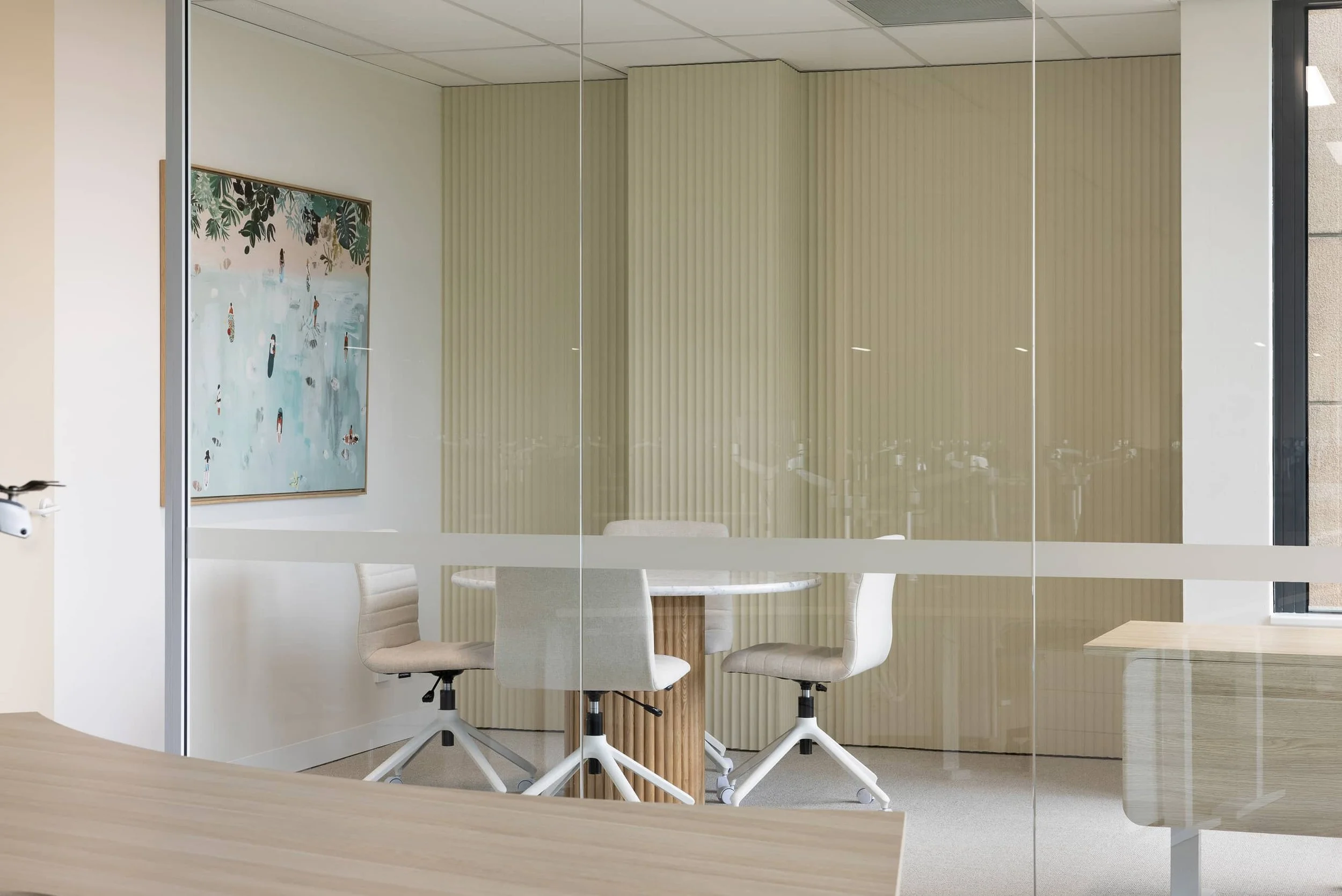
Interior Designers Melbourne: Commercial & Residential Design Support
Interior designers in Melbourne operate within a built environment shaped by heritage overlays, dense urban conditions, and evolving commercial precincts. Projects often require a balance between design intent, regulatory frameworks, and practical delivery.
As a studio providing interior design in Melbourne, the focus is on supporting both residential and commercial projects through a structured process. This includes early-stage planning, documentation, and coordination to ensure that projects move efficiently from concept to construction.
For a broader understanding of how projects are structured, refer to design and architectural services.
Homes We Design Here
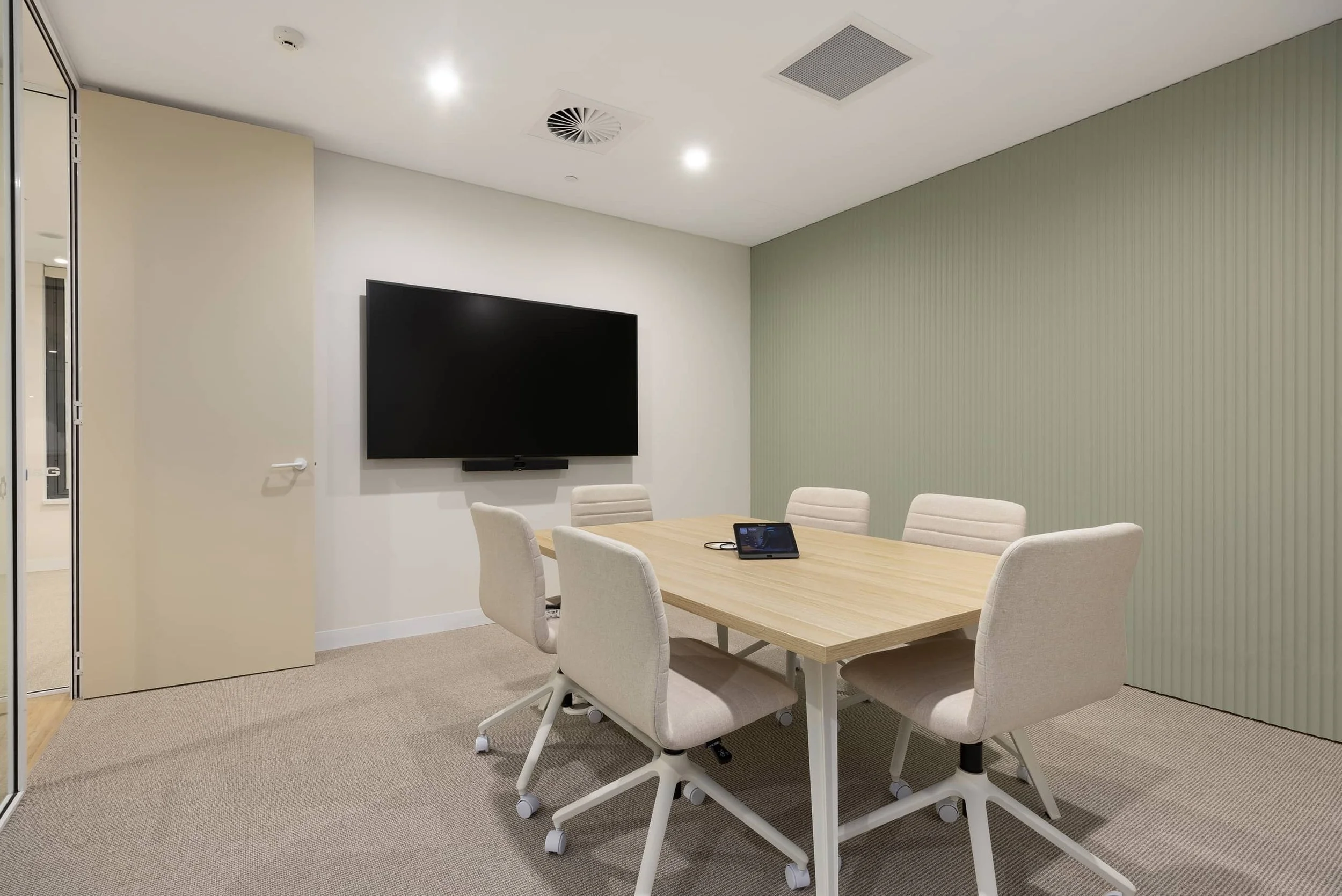
Residential interior design in Melbourne includes apartments, period homes, and contemporary builds. Each property type introduces different constraints, particularly in relation to structure, planning controls, and layout limitations.
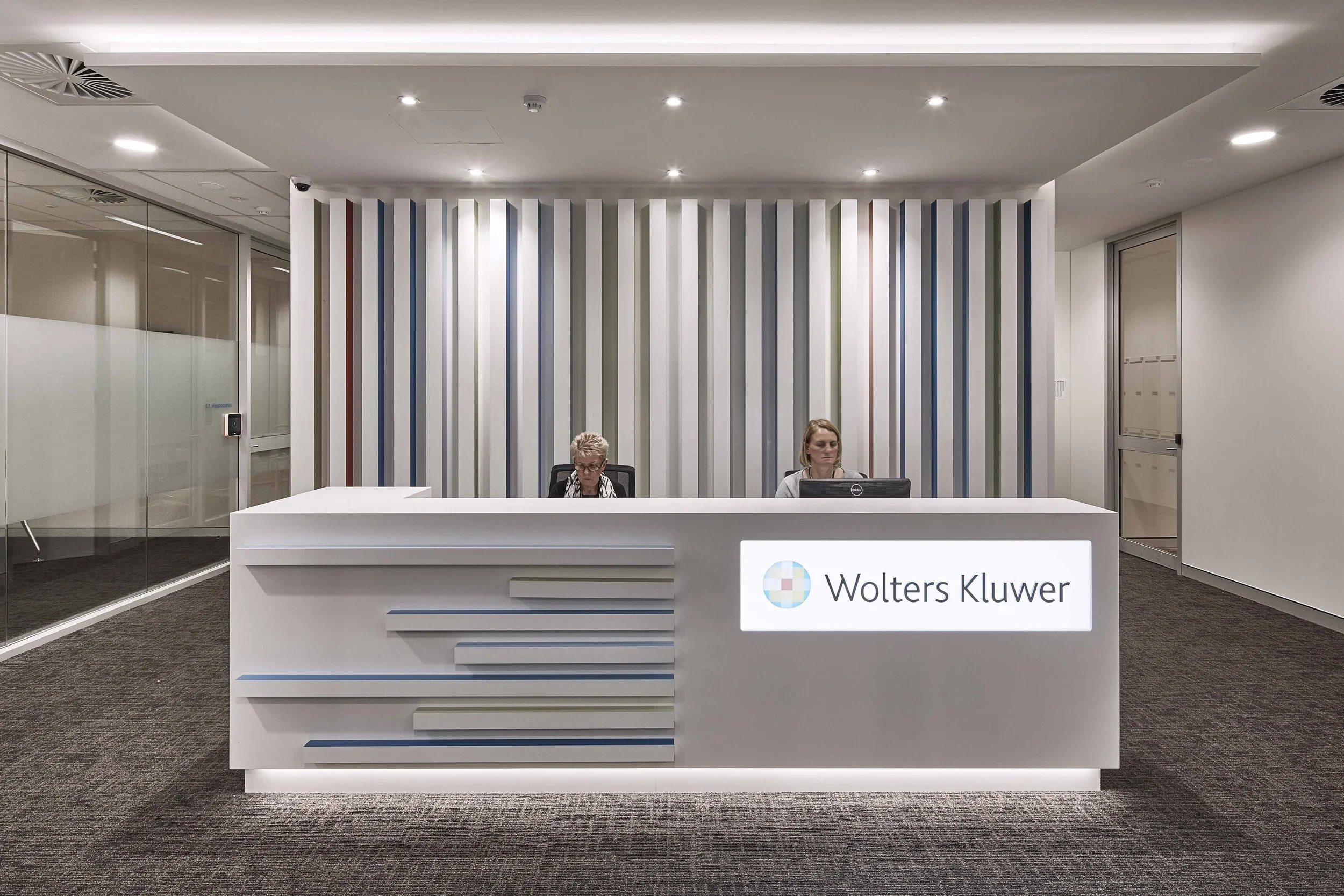
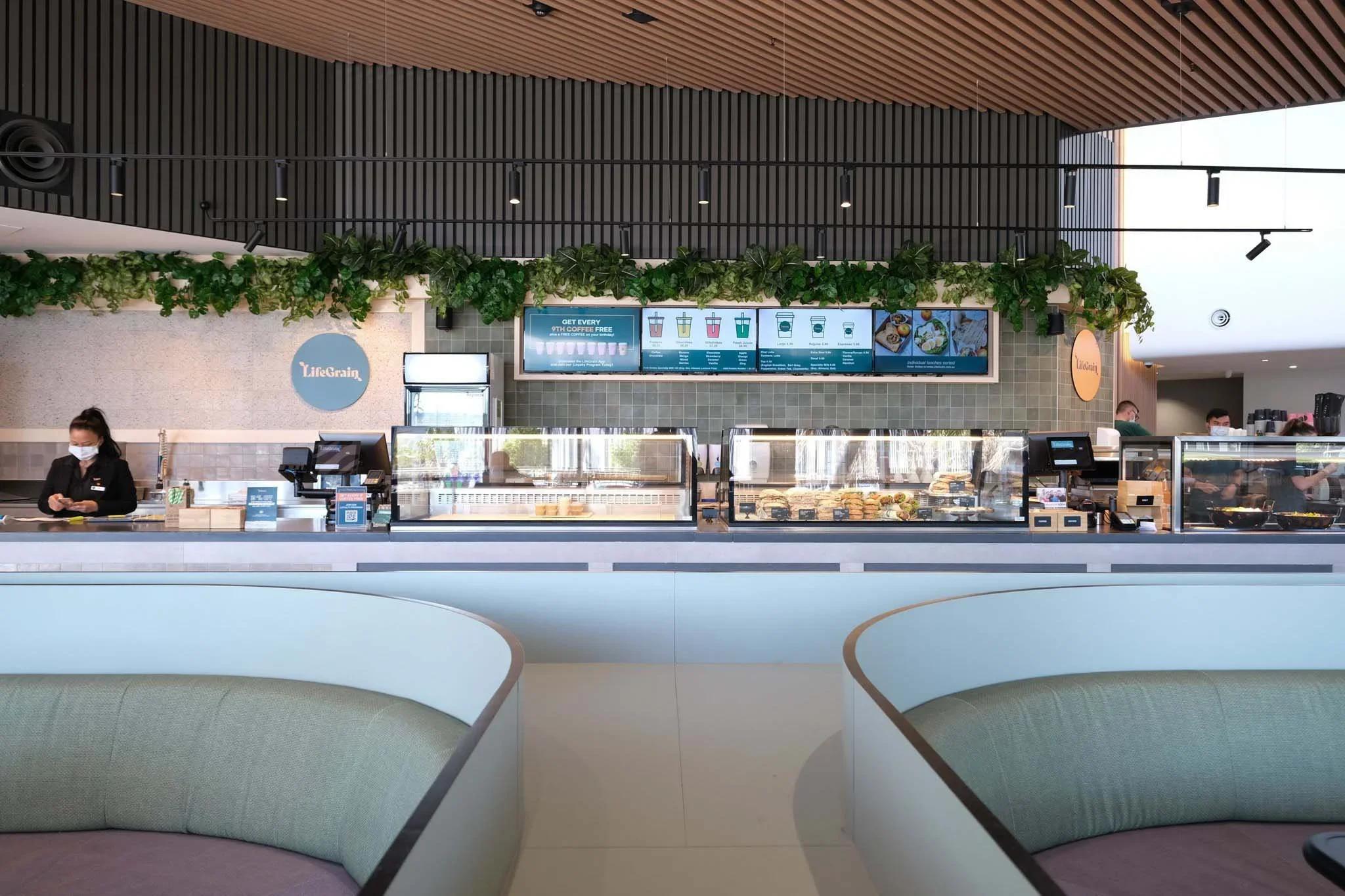
In addition to residential work, commercial environments such as retail, hospitality, and workplace spaces require a different level of coordination. These projects must consider operational flow, compliance, and long-term usability.
As interior designers in Melbourne, the approach adapts to both residential and commercial contexts, ensuring that each project responds to its specific conditions.
Examples of completed work can be explored in the portfolio of projects or by reviewing commercial interior design projects.
Style and Material Palette
Interior design in Melbourne often reflects a balance between contemporary interventions and existing architectural character. Material palettes are selected to create continuity while responding to the specific conditions of each project.
In residential settings, materials are chosen to align with both heritage elements and modern requirements. In commercial environments, durability and compliance play a larger role in material selection.
The approach focuses on consistency, ensuring that finishes contribute to a cohesive environment rather than introducing unnecessary variation.


Approvals & Delivery
Projects in Melbourne frequently involve planning considerations such as heritage overlays, zoning requirements, and building regulations. These factors influence both design direction and project timelines.
This stage includes preparation of documentation, coordination with consultants, and alignment with approval pathways. Early assessment ensures that design proposals remain achievable within regulatory constraints.
Delivery extends beyond design, ensuring that documentation supports accurate construction and reduces discrepancies during build stages.
For further insight into project thinking and process, refer to the journal.
Typical Budgets
Budgets for interior design in Melbourne vary depending on project type, scale, and level of intervention.
Residential projects may range from apartment upgrades to full-home renovations, while commercial projects often involve additional coordination and compliance requirements.
Establishing a clear budget early ensures alignment between design intent and delivery, reducing the likelihood of revisions during later stages.
FAQs
-
This includes spatial planning, material selection, documentation, and coordination with consultants to ensure the project progresses from concept through to construction.
-
Yes, projects include residential homes as well as commercial environments such as retail, hospitality, and workplace spaces.
-
Approval requirements depend on project scope. Heritage overlays and structural changes often require formal approval processes.
-
Early engagement allows for better alignment between design, approvals, and construction, reducing risk and improving outcomes.
-
Costs are influenced by project size, materials, level of detailing, and coordination with other disciplines.
Plan Your Melbourne Project with a Structured Approach
A structured design process ensures that residential and commercial projects progress efficiently from planning through to construction. This supports clarity in decision-making and reduces uncertainty.
To discuss your project requirements, contact us or review completed work in the portfolio of projects.