Retail Interior Design Sydney: Flagships, Rollouts, Shop Fitouts
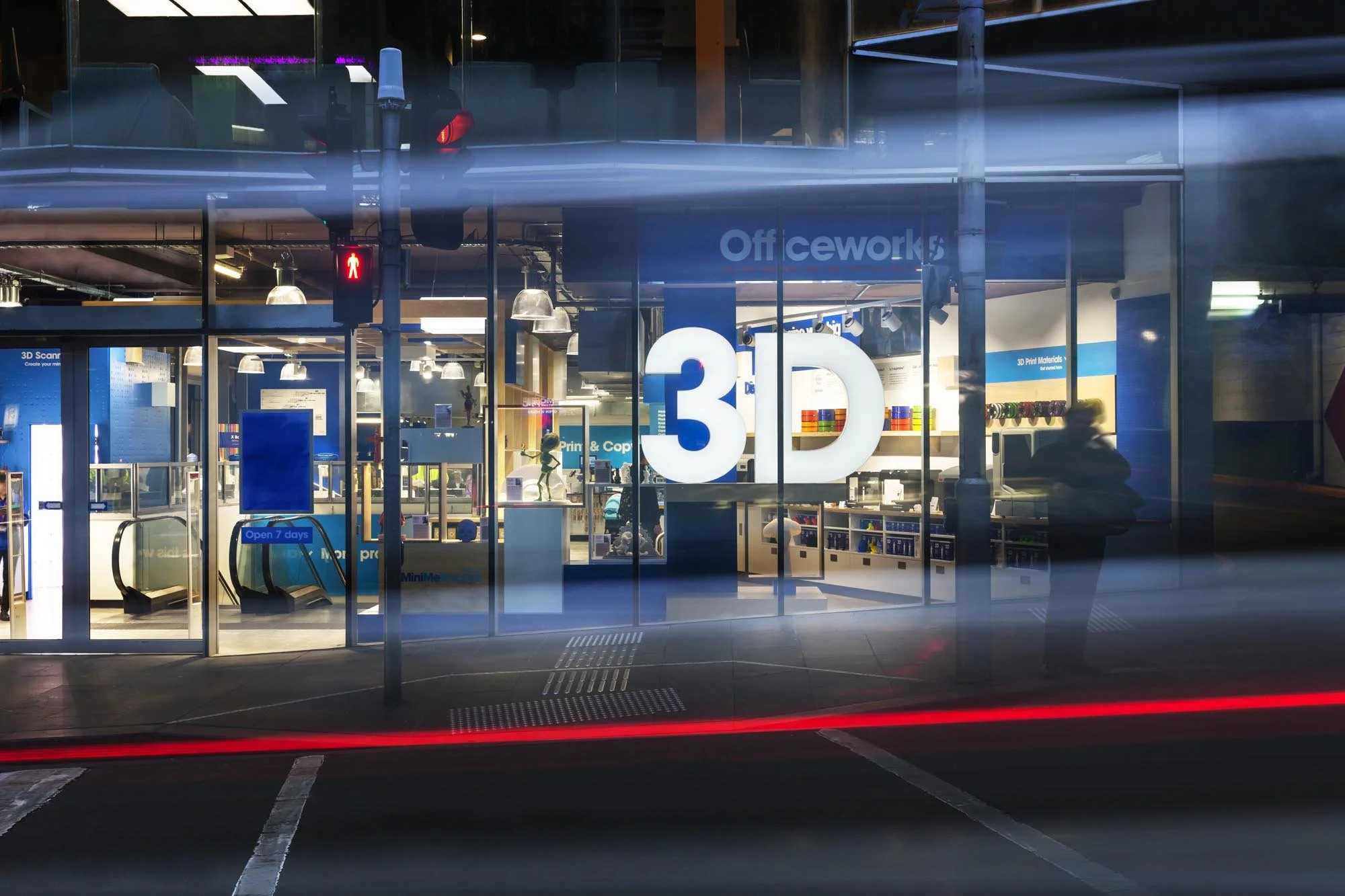
Retail interior design in Sydney supports brands that are expanding across multiple locations or preparing a flagship store. The design of a retail environment influences how customers move through the space, interact with products, and recognise the brand identity.
Retail store design also requires coordination with approvals, construction timelines, and operational requirements. Businesses planning new stores or store rollouts can review available design capabilities on the services page.
Retail That Drives Foot Traffic
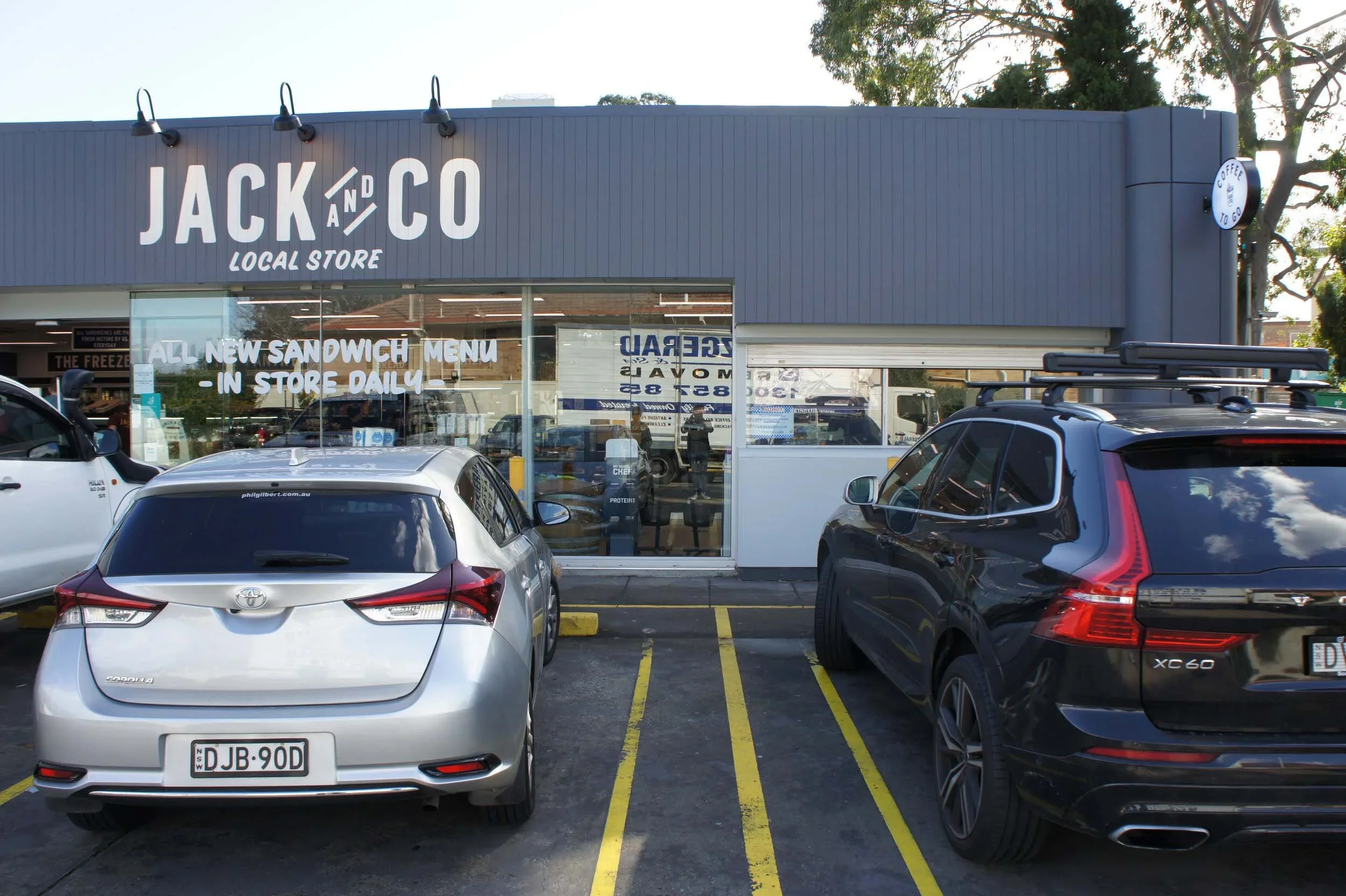
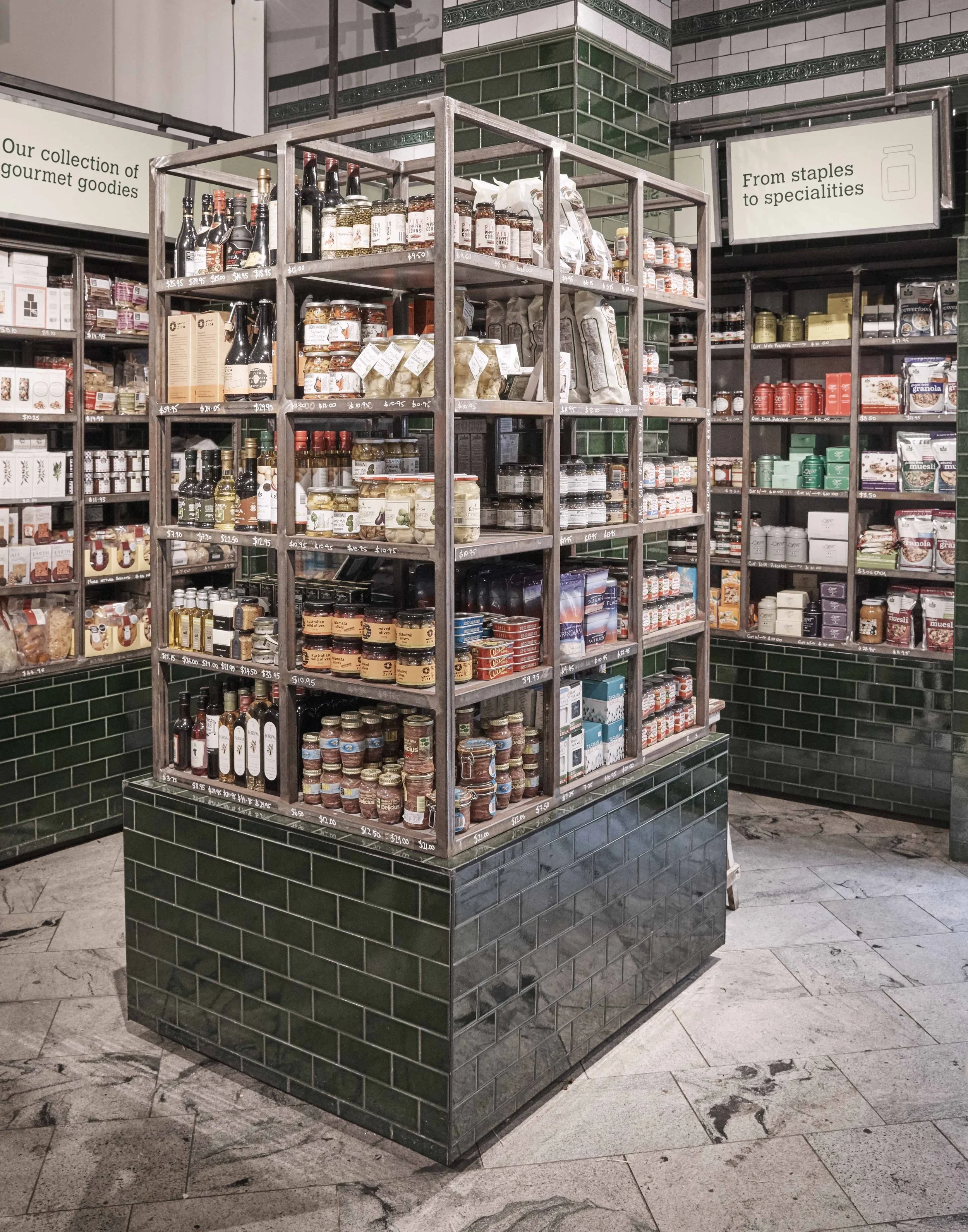
Retail environments are structured to guide customer movement and improve product visibility. Retail interior design in Sydney considers store layout, display zones, and circulation paths so that customers can move through the space comfortably while engaging with the merchandise.
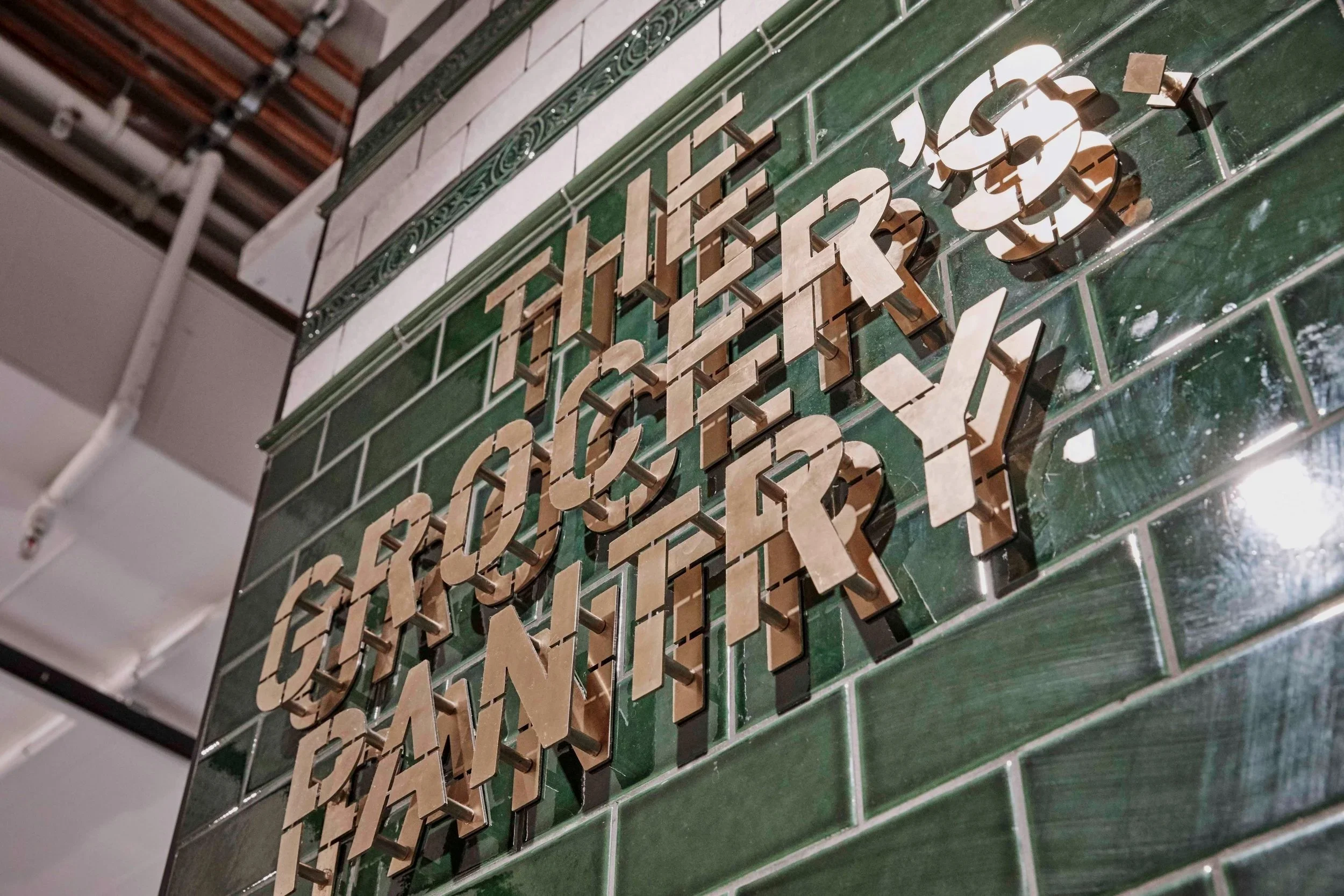
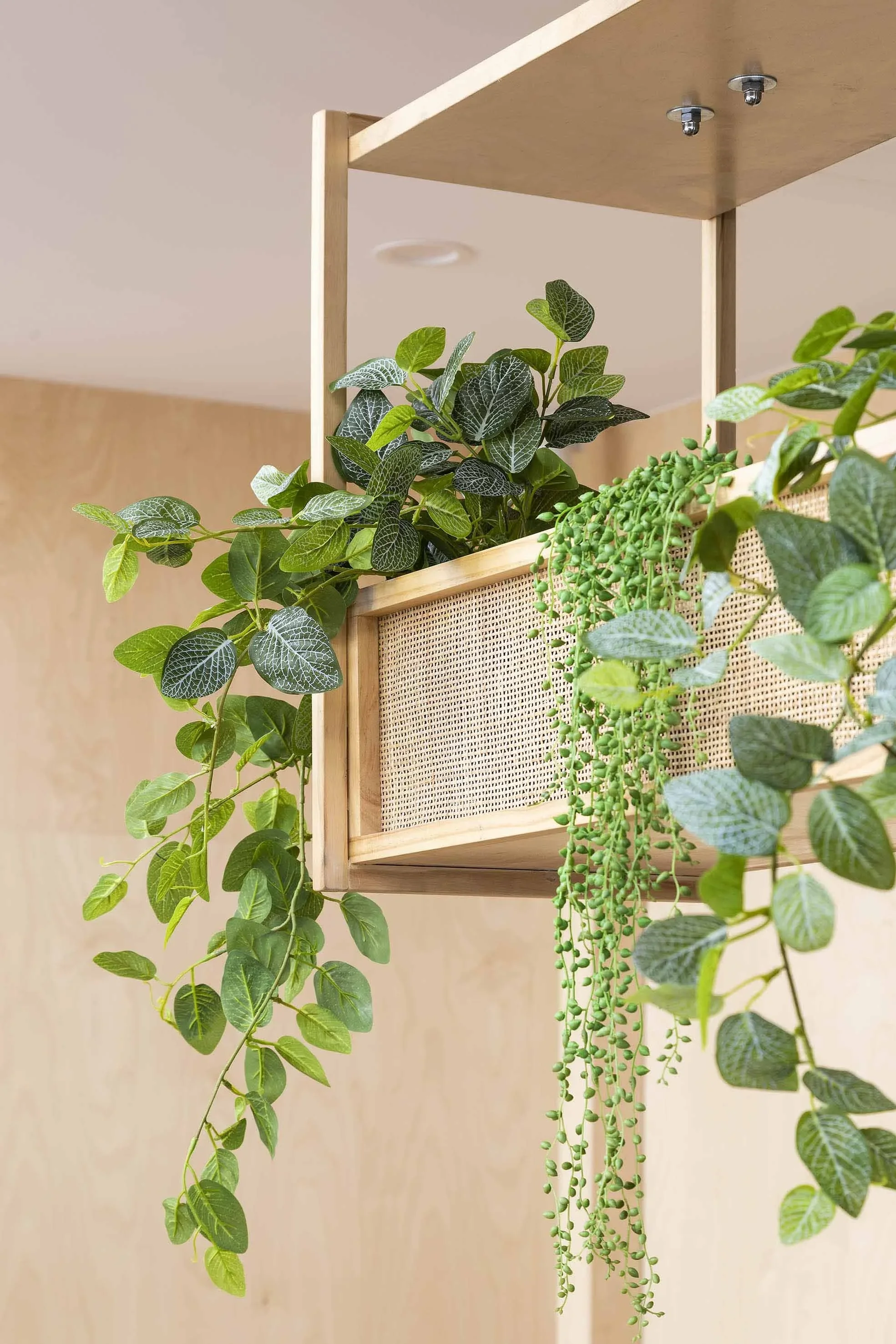
Lighting, material finishes, and display systems also contribute to the customer experience. When these elements are coordinated through a clear retail store design strategy, the store environment can support brand recognition and encourage repeat visits.
Flagship & Rollout Systems
Flagship store design establishes the spatial identity of a retail brand. It defines the materials, lighting concepts, and display systems that represent the brand within a physical environment. This first store often acts as the reference for future locations.
For brands opening additional sites, rollout systems allow the same retail store design framework to be adapted to different floor plans. Examples of retail environments developed through this approach can be explored in the portfolio.
Process: Concept to Opening Day
Retail projects typically begin with a design briefing that identifies the brand goals, site constraints, and operational requirements. This stage informs the development of the store concept, including spatial layout, display systems, and lighting strategy.
After concept approval, the design moves into detailed documentation and coordination with consultants and builders. Background information about the studio’s design process can be found on the about page.
Brand Translation Into Space
Retail interior design translates brand identity into a physical environment. Elements such as colour palettes, materials, signage, and lighting can reflect the visual language already used across the brand’s marketing and digital platforms.
This translation ensures that the store environment communicates the same brand identity customers recognise elsewhere. The result is a consistent experience across multiple retail locations.


Budget, Programme, Approvals
Retail shop fitout in Sydney projects often involves coordination with landlord requirements, council approvals, and construction scheduling. Early planning helps ensure the design can be delivered within the available timeframe and budget.
Programme planning is also important when a lease has a defined opening schedule. Documentation prepared during the design phase supports approvals and helps contractors deliver the shop fitout according to the required timeline.
FAQs
-
Retail interior design focuses on planning store environments that support product display, customer movement, and brand identity. It includes layout planning, materials selection, lighting design, and display systems.
-
A shop fitout in Sydney generally includes design documentation, construction works, lighting installation, display fixtures, and coordination with approvals or tenancy guidelines.
-
A flagship store presents the full expression of a brand’s retail environment. It often introduces the design system that can be adapted for future stores during a rollout programme.
-
Project timelines depend on the size of the store, approval requirements, and construction scope. Smaller retail fitouts may take several weeks, while larger flagship projects may require several months.
Book a Zero-to-Launch Workshop
Retail brands planning new locations or store expansions often begin with an early project discussion to clarify site conditions, store layout requirements, and rollout potential.
To discuss a retail interior design project in Sydney or a future shop fitout, contact the team to book a Zero-to-Launch workshop through the contact page.