

DA & CDC Approvals Sydney: De-Risk Fitouts & Renovations
DA and CDC approvals in Sydney are a critical step in progressing fitouts and renovations from concept to construction. Approval pathways influence project timelines, compliance requirements, and overall risk.
This page outlines how the DA and CDC approvals in Sydney apply across retail, hospitality, and residential projects. It is structured to support founders, developers, and homeowners in making informed decisions before committing to design and construction.
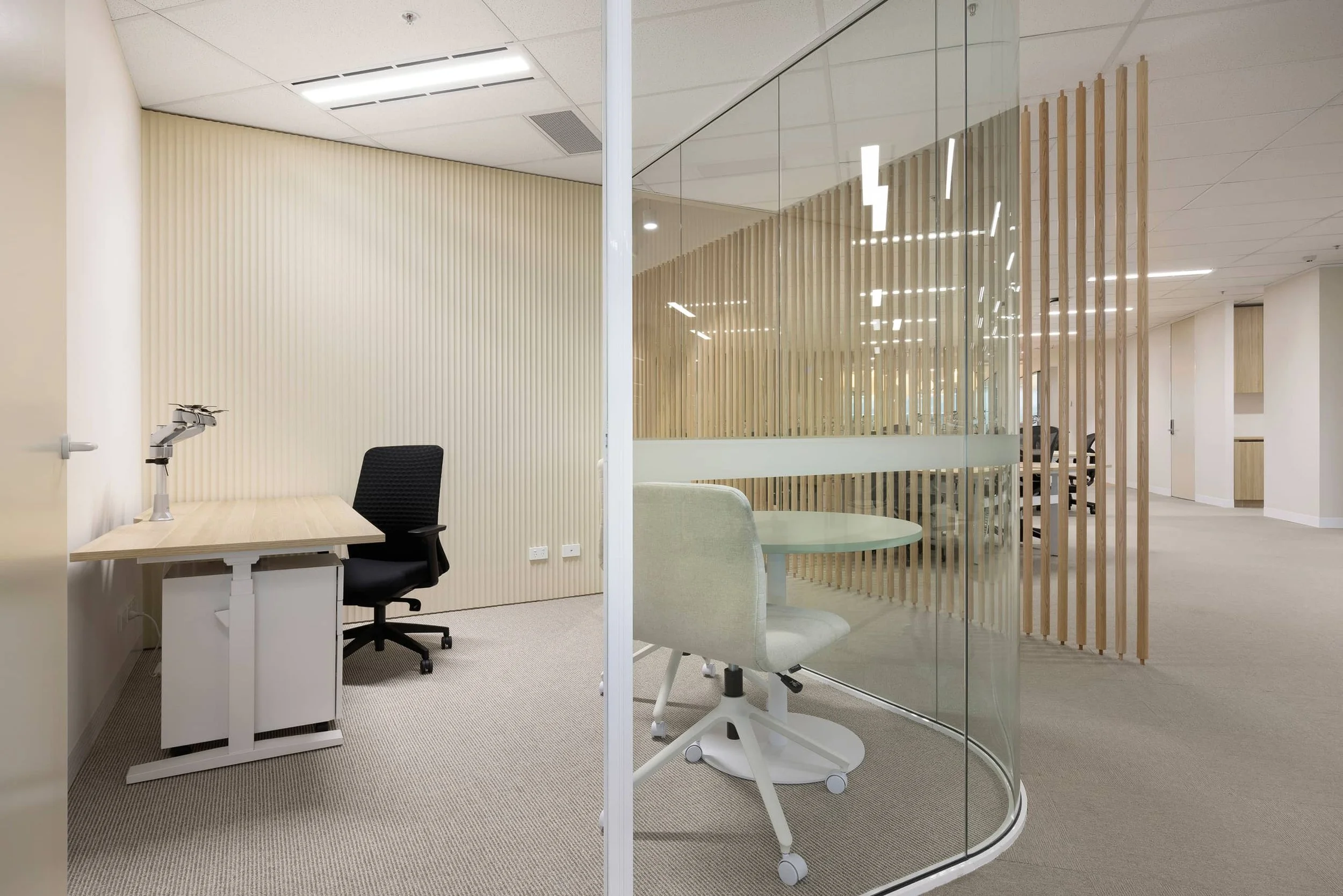

What Approvals You Need
The type of approval required depends on project scope, site conditions, and planning controls. Projects typically fall under either a Development Application (DA) or a Complying Development Certificate (CDC).
Retail and hospitality fitouts require careful assessment, particularly where changes affect building classification, fire safety, or layout. Determining eligibility early reduces delays and supports smoother project delivery.
Residential projects, including renovation approvals in the Northern Beaches, may involve zoning constraints, heritage considerations, and environmental overlays.
For related project types and how approvals integrate into design, refer to retail interior design services in Sydney, hospitality interior design projects, and residential architecture in Sydney.
DA vs CDC
Understanding da vs cdc retail fitouts in NSW is essential when planning a project.
A Development Application (DA) is submitted to the local council and is required for projects that do not meet complying development criteria. This pathway involves a detailed assessment process and may include public notification.
A Complying Development Certificate (CDC) is assessed by a private certifier and provides a faster approval process when projects meet predefined standards. CDC is often suitable for straightforward fitouts and compliant residential works.
Choosing the correct pathway early helps reduce uncertainty and supports more accurate planning.


Timelines
Approval timelines vary depending on the chosen pathway and project complexity.
CDC approvals are generally processed faster when documentation is complete and compliant. This is often preferred for projects with fixed deadlines, such as retail or hospitality fitouts tied to lease agreements.
DA approvals require council assessment and may involve additional review stages. This can extend timelines depending on project complexity and feedback from authorities.
For renovation approvals in the Northern Beaches, timelines may also be influenced by local council requirements and site-specific factors. Early coordination and clear documentation help minimise delays.
What We Submit
Approval submissions require a coordinated set of documents to demonstrate compliance and design intent.
This typically includes architectural drawings, site plans, and supporting documentation aligned with planning controls. Additional consultant input may be required depending on the project scope.
A structured submission process reduces the likelihood of revisions and supports a smoother transition into construction.
For a broader understanding of how approvals fit within the overall process, refer toall design and architectural services.
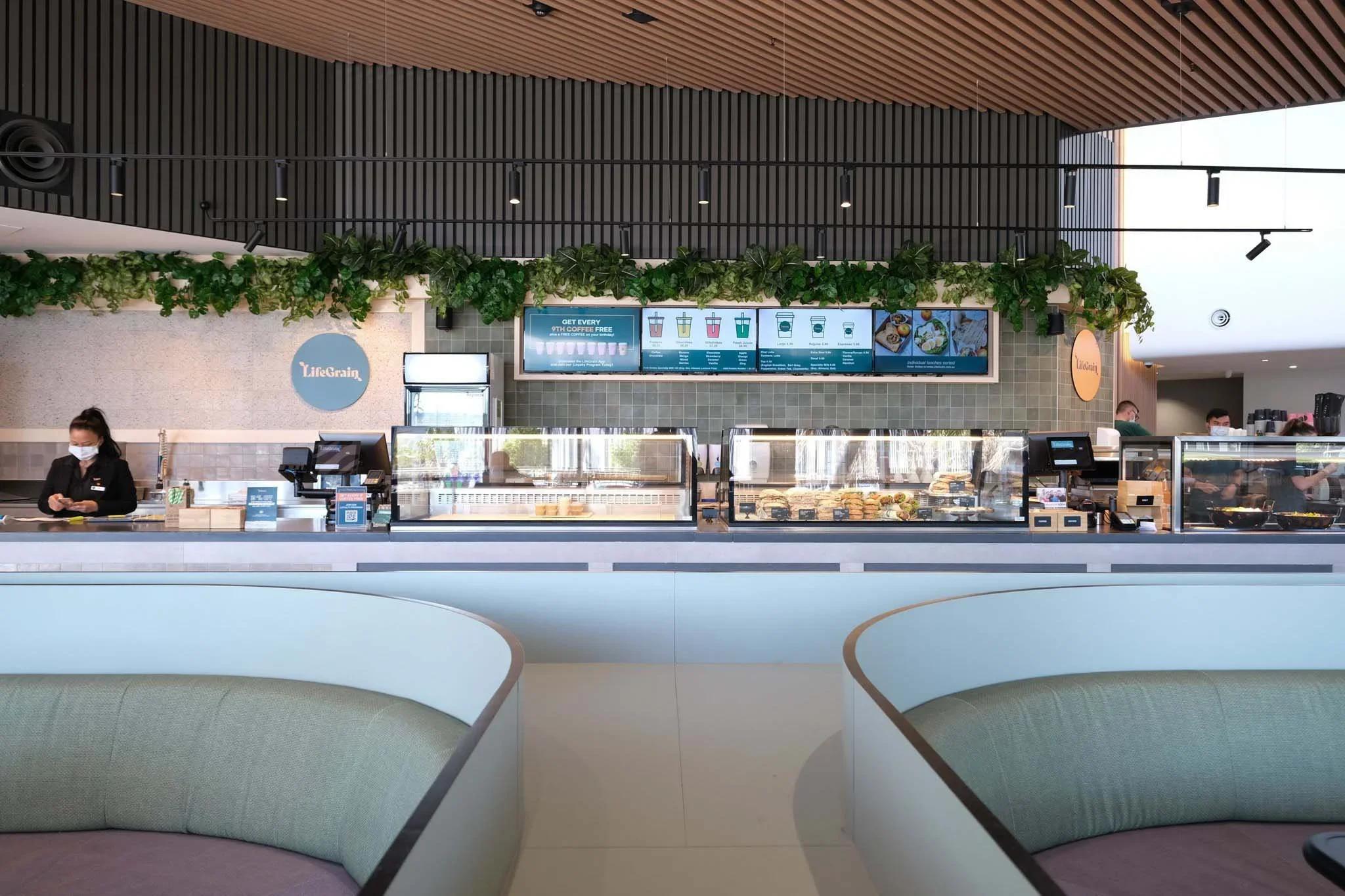
FAQs
-
A DA is assessed by the local council and is required for projects that do not meet complying development standards. A CDC is approved by a private certifier and applies to projects that meet specific criteria.
-
CDC approvals are generally faster when the project meets compliance requirements. However, not all retail fitouts qualify, particularly when significant changes are involved.
-
Not all renovations require a DA. Some may qualify for CDC depending on compliance with planning controls. The correct pathway depends on the scope and site conditions.
-
Typical submissions include architectural drawings, compliance documentation, and consultant reports where required. The exact requirements vary depending on the approval pathway.
-
Delays can occur if documentation is incomplete or if projects do not meet compliance requirements. Early planning and accurate submissions reduce this risk
Clarify Your Approval Pathway Before You Build
Understanding your approval pathway early allows for better planning, reduced risk, and more predictable timelines for fitouts and renovations.
To discuss your project requirements and next steps, contact us.
