

Cafe Kitchen Layout: Counter Flow, Barista Stations, Seating Mix
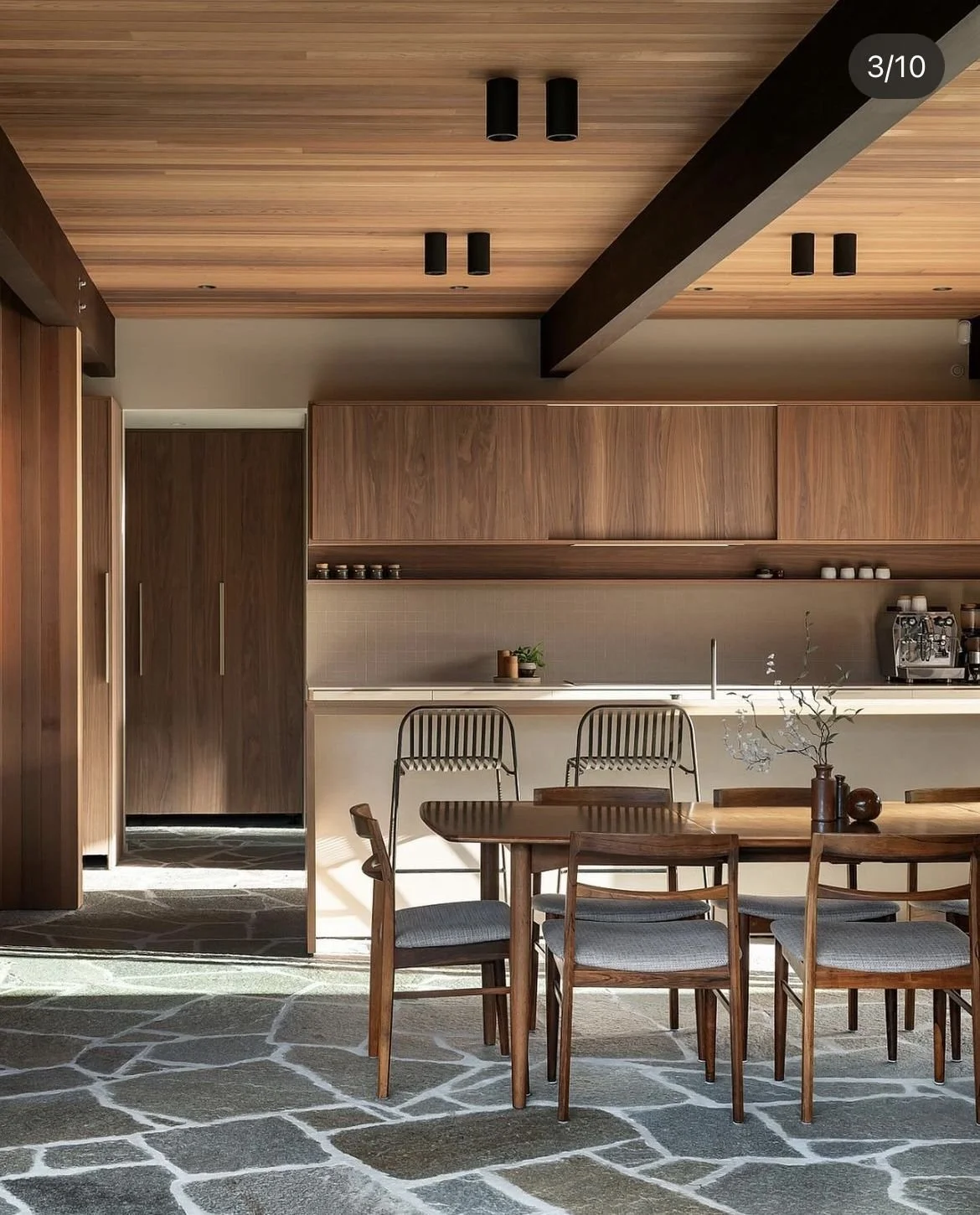
A cafe kitchen layout determines how efficiently a venue operates during peak service. It affects order flow, staff movement, and how customers interact with the space. In Sydney, where tenancy costs and compliance requirements are high, layout decisions must be resolved early.
Cafe interior design Sydney projects often fail not because of the concept, but because the back of house and front of house are not aligned. A clear layout ensures that the kitchen, counter, and seating work together as a single system.
For reference on how these environments are structured, see hospitality interior design in Sydney.
Problem
The most common issue in cafe fitout Sydney projects is inefficient flow. Orders cross paths with service, staff movement overlaps, and queues disrupt seating areas.
This often results from planning the space visually rather than operationally. Without defining how orders move from entry to preparation to service, the layout becomes reactive.
In NSW, compliance requirements from NSW Planning and the NSW Government also influence layout. Workplace safety must align with Safe Work Australia, particularly in kitchen environments.
What Buyers Get Wrong
Many buyers prioritise seating count over flow. While increasing seating may appear to improve revenue, it often reduces efficiency if it disrupts circulation.
Another mistake is underestimating the importance of barista stations. These areas are high-intensity zones that require clear access, storage, and workflow planning.
Buyers also tend to separate kitchen and service design. In practice, these areas must be integrated to ensure that preparation and service operate without conflict.
Steps
The first step is mapping customer flow from entry to ordering, collection, and exit. This defines how the counter should be positioned and how queues are managed.
The second step is organising barista stations. This includes allocating space for equipment, storage, and movement, ensuring that staff can operate without overlap.
The third step is aligning the kitchen layout with the menu requirements. Equipment placement must reflect preparation sequences and service timing.
The final step is integrating seating with circulation. Seating layouts should support flow rather than restrict it.
Examples of how these steps are applied can be explored in the Lifegrain case study and further insights in the design journal.
Costs and Timelines
Costs for cafe fitout Sydney projects vary depending on size, equipment, and level of finish. Kitchen layouts with higher complexity require more coordination and service integration.
Timelines are influenced by approvals, documentation, and construction sequencing. In NSW, approvals may require alignment with DA and CDC approvals.
Delays often occur when layout decisions are unresolved before documentation. Early planning reduces this risk and allows for more accurate cost control.
Checklist
A practical cafe kitchen layout checklist includes:
Clear separation of order, preparation, and service zones
Efficient barista station layout with defined workflow
Kitchen equipment aligned with the menu and service speed
Seating arranged to support circulation
Compliance with planning and workplace safety requirements
This checklist ensures that operational performance is considered before design is finalised.
FAQs
What is the most important factor in a cafe kitchen layout?
Flow is the most important factor. The layout must support efficient movement for both staff and customers.
How many barista stations does a cafe need?
This depends on service volume, but each station must have enough space to operate without overlap.
Do cafe layouts need approval in NSW?
Yes, most projects require approval depending on scope and classification.
How long does a cafe fitout take?
Timelines vary depending on approvals and construction complexity, but early planning reduces delays.
Can seating layout affect revenue?
Yes, inefficient seating can disrupt flow and reduce overall service capacity.
Plan Your Cafe Layout Before You Commit
A well-structured cafe kitchen layout ensures that flow, service, and seating are aligned before construction begins. This reduces operational issues and supports a more efficient venue.
To discuss your project requirements, contact us or explore more insights in the design journal.