

Flagship Store Design: How Experience Lifts Conversion
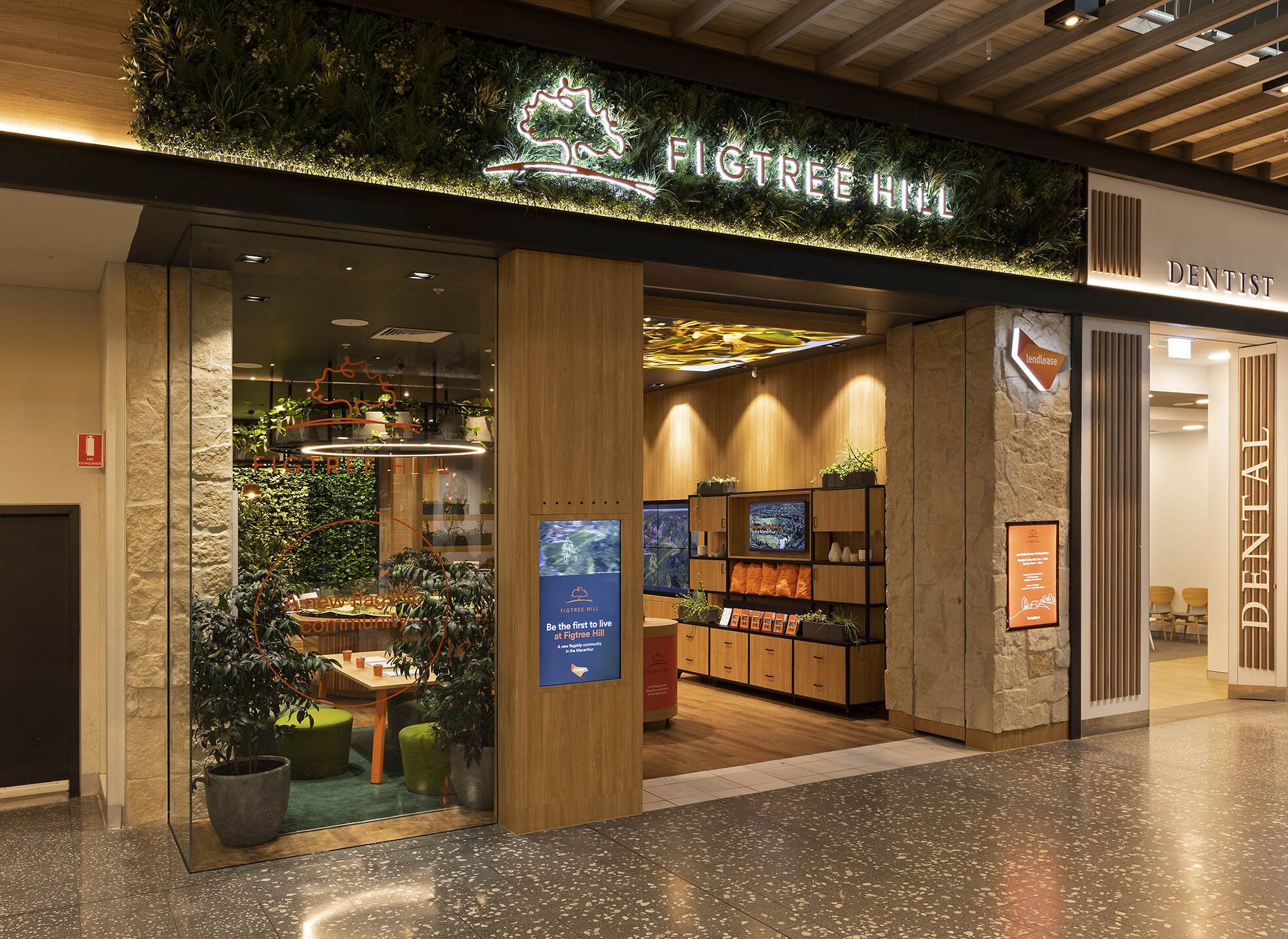
Flagship store design is not simply about creating a visually impressive retail space. It is about shaping how customers move, interact, compare products, and make purchasing decisions.
A successful flagship store communicates brand value clearly while supporting practical retail performance. It should make the customer journey easier, not more complicated. Every zone, display, and service point should have a clear purpose.
When a flagship store design is treated only as a visual exercise, the result may attract attention but fail to improve conversion. Strong retail environments connect brand experience design with commercial function.
For related project examples, explore retail interior design in Sydney.
Common Mistakes in Retail Experience Design
Many brands assume that a premium-looking store will automatically improve sales. In practice, customers respond to how clearly the space guides them.
Common mistakes include unclear circulation, poorly positioned feature displays, limited product hierarchy, and customer touchpoints that do not support decision-making.
Another issue is separating design from operations. Staff movement, stock access, customer service, and checkout placement all influence the retail experience.
Planning must also account for approval, compliance, and workplace safety requirements. Relevant references include NSW Planning, NSW Government, and Safe Work Australia.
The Key Elements of High-Performing Flagship Stores
The first element is customer journey mapping. This identifies how customers enter, move through, pause, engage, and purchase.
The second element is brand experience design. A flagship store should express brand identity through layout, material selection, lighting, product display, and digital integration.
The third element is retail store design that supports conversion. Product zones should be easy to understand, feature areas should create interest, and service points should reduce friction.
The fourth element is delivery planning. The design must be documented clearly so it can move through approvals, procurement, and construction without unnecessary revisions.
For a relevant project example, review the Samsung retail project. You can also browse more insights in the journal.
Budget Expectations and Programme Planning
Flagship store design costs vary depending on site size, location, technology requirements, custom joinery, finishes, and approval complexity.
Projects with digital displays, interactive features, or highly customised details typically require more coordination and a longer programme. Procurement can also affect timing, especially when specialist materials or fixtures are involved.
A clear programme should account for briefing, concept design, documentation, approvals, construction, installation, and handover.
For a broader view of project delivery, refer to design and architectural services.
Essential Pre-Launch Checklist
A practical flagship store planning checklist should include:
Clear brand positioning and retail objectives
Defined customer journey
Product display strategy
Feature zones and hero moments
Staff workflow and service points
Accessibility and safety requirements
Approval requirements
Budget parameters
Procurement timelines
Construction and handover programme
This checklist helps ensure that the store is not only visually strong, but also commercially functional.
Frequently Asked Questions
What Makes a Flagship Store Different from a Standard Retail Fitout?
A flagship store is designed to represent the brand at its highest level. It usually places greater emphasis on experience, customer journey, and brand storytelling.
How Does Flagship Store Design Improve Conversion?
It improves conversion by making the shopping journey clearer, reducing friction, improving product visibility, and supporting customer decision-making.
What Role Does Brand Experience Design Play?
Brand experience design ensures that the physical environment communicates the brand clearly through layout, materials, lighting, displays, and customer touchpoints.
How Long Does a Flagship Store Project Take?
Timelines vary depending on approvals, documentation, procurement, and construction complexity. Early planning improves programme certainty.
What Affects the Cost of a Flagship Store?
Cost is influenced by site size, custom joinery, technology, finishes, compliance requirements, and construction conditions.
Start Planning Your Next Flagship Retail Experience
A high-performing flagship store connects customer behaviour, brand strategy, and practical delivery. When these elements are aligned early, the store becomes a stronger commercial asset.
To discuss your project requirements, contact us.