

DA vs CDC for Retail Fitouts in NSW: Which Path Fits Your Site
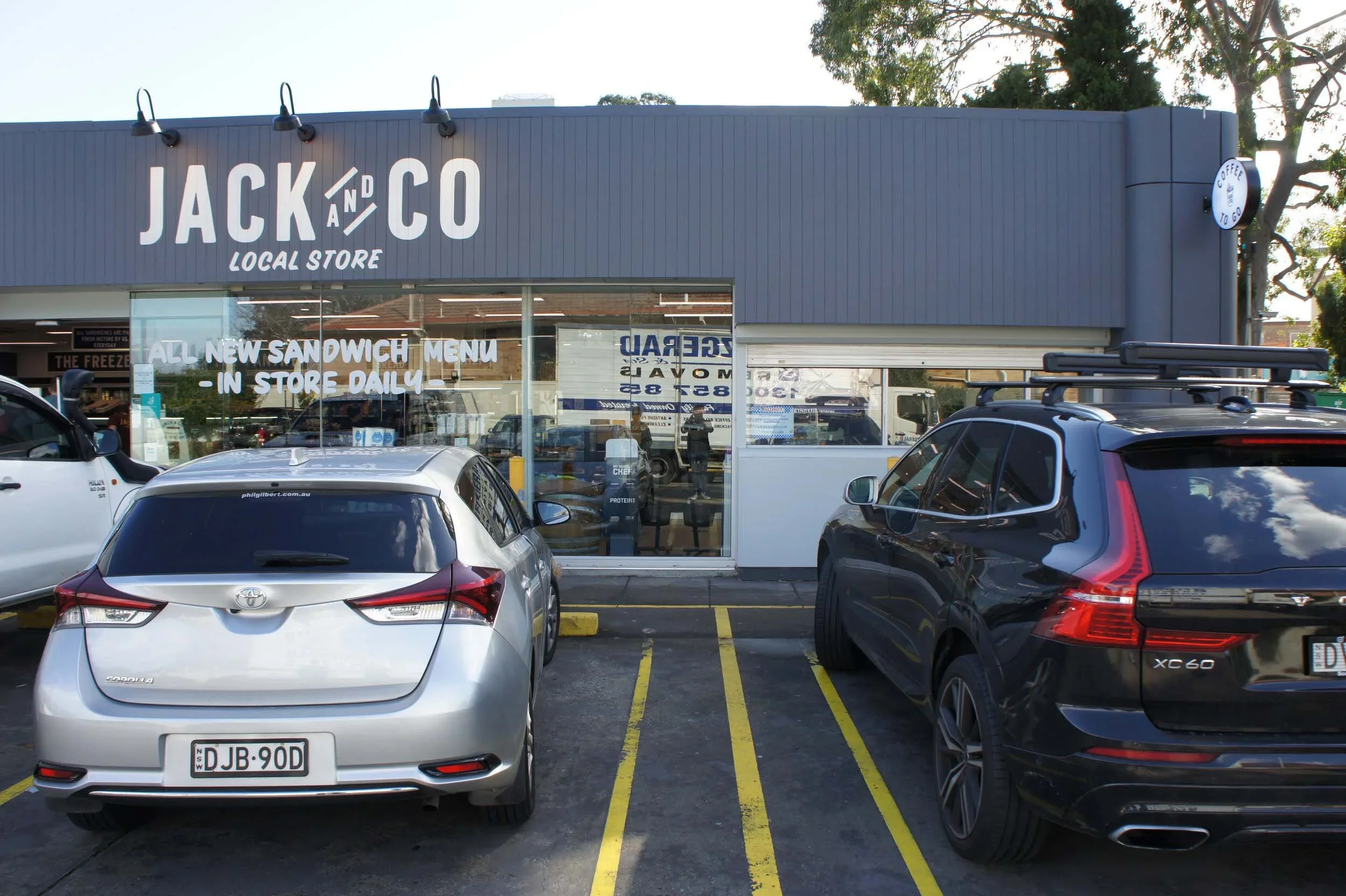
Choosing between a Development Application and a Complying Development Certificate is a critical early decision for retail fitouts in NSW. The approval pathway affects timeline, cost, and the level of design flexibility available.
DA vs CDC retail fitouts in NSW decisions are not interchangeable. Each pathway is defined by planning controls, site conditions, and the nature of the proposed works. Selecting the wrong approach can lead to delays, redesign, or rejection.
For a detailed overview of approval pathways, refer to DA and CDC approvals in Sydney and how they integrate with retail interior design in Sydney.
Problem
The main issue with council approvals for retail fitouts is misunderstanding eligibility. Many projects assume that a CDC is faster and therefore preferable, without confirming whether the site meets the required criteria.
Planning frameworks from NSW Planning and the NSW Government define what can be approved under each pathway. Workplace safety considerations must also align with Safe Work Australia.
If these factors are not assessed early, projects may need to switch pathways mid-process, increasing both time and cost.
What Buyers Get Wrong
A common mistake is prioritising speed over suitability. While a CDC can be faster, it is only applicable if the proposal complies with all planning controls.
Another issue is assuming that minor retail fitouts do not require detailed approvals. Even small changes can trigger requirements depending on zoning, building classification, or heritage constraints.
Buyers also tend to overlook how design decisions affect eligibility. Layout, signage, and services integration can all influence whether a CDC is possible.
Steps
The first step is assessing site conditions and zoning. This determines whether the project is eligible for a CDC or requires a DA.
The second step is aligning the design with planning controls. For CDC pathways, the design must comply fully with predefined standards. For DA pathways, there is more flexibility but also more scrutiny.
The third step is preparing documentation. This includes drawings, compliance reports, and supporting information required for submission.
The fourth step is submitting for approval and responding to any requests for additional information.
Further insights on approvals and project planning can be explored in the design journal.
Costs and Timelines
DA vs CDC retail fitouts in NSW timelines differ significantly.
CDC approvals are generally faster, often processed within a shorter timeframe if all criteria are met. However, they require strict compliance, which can limit design flexibility.
DA approvals typically take longer due to council assessment, potential public notification, and review processes. This can extend timelines but allows for more tailored design outcomes.
Costs are influenced by documentation requirements, consultant involvement, and the complexity of the approval process.
For a broader understanding of how approvals fit into project delivery, refer to design and architectural services.
Checklist
A practical DA vs CDC checklist includes:
Confirm site zoning and eligibility
Assess whether the design complies with CDC requirements
Identify if a DA is required due to scope or constraints
Prepare complete documentation before submission
Allow time for approvals and potential revisions
This checklist ensures that the correct approval pathway is selected early.
FAQs
What is the difference between DA and CDC?
A Development Application is assessed by the council and allows for more flexibility, while a CDC is a faster approval pathway that requires strict compliance with predefined standards.
Which approval is faster for retail fitouts?
A CDC is generally faster, but only if the project meets all eligibility criteria.
Can a project switch from CDC to DA?
Yes, but this can cause delays and additional costs if not planned early.
Do all retail fitouts require approval?
Most retail fitouts require some form of approval depending on the scope and location.
How do I know which pathway applies to my site?
An early feasibility assessment determines whether a CDC is possible or if a DA is required.
Choose the Right Approval Path Before You Design
Selecting the correct approval pathway early ensures that design, documentation, and timelines are aligned. This reduces risk and supports a more efficient project outcome.
To discuss your project requirements, contact us or review how approvals integrate into project delivery through DA and CDC approvals in Sydney.